Developing Internal Sustainability Policies for Corporates
November 30, 2025
Dubai Investments Launches Al Vista Mixed-Use Development
December 9, 2025
Liwan’s Vision for Riyadh’s Rapid Urban Transformation
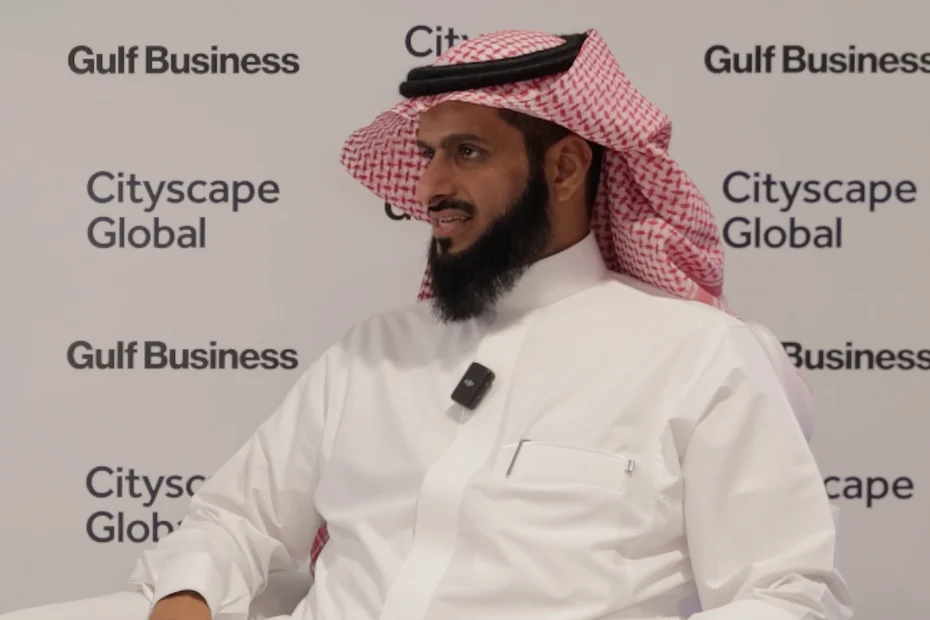
Riyadh is entering one of the most ambitious development periods in its history. As the city expands under Vision 2030, Liwan Real Estate Development Company is moving quickly to build destinations that reflect modern lifestyles, new demographic trends and rising investor confidence. During Cityscape Global 2025, CEO Abdulrahman bin Saud Aldhyem outlined how Liwan is shaping mixed-use communities that combine residential, commercial, hospitality and office components into unified, sustainable environments.
He emphasized that Riyadh’s growth requires developments that do more than offer housing. They must also deliver convenience, mobility, green spaces, entertainment and long-term livability. Because of this, Liwan’s strategy focuses on integrated design, data-driven investment decisions and partnerships that strengthen financing and reduce risk.
How Liwan Selected the SAR4.5bn Liwan Najd Project
Aldhyem explained that Liwan conducted a comprehensive citywide study before launching Liwan Najd. This research helped the company understand demand patterns across East, Central, West and North Riyadh. As a result, Liwan chose central Riyadh for its first major project, Livein Liwan, which has already reached 50% completion and achieved a 70% sales rate.
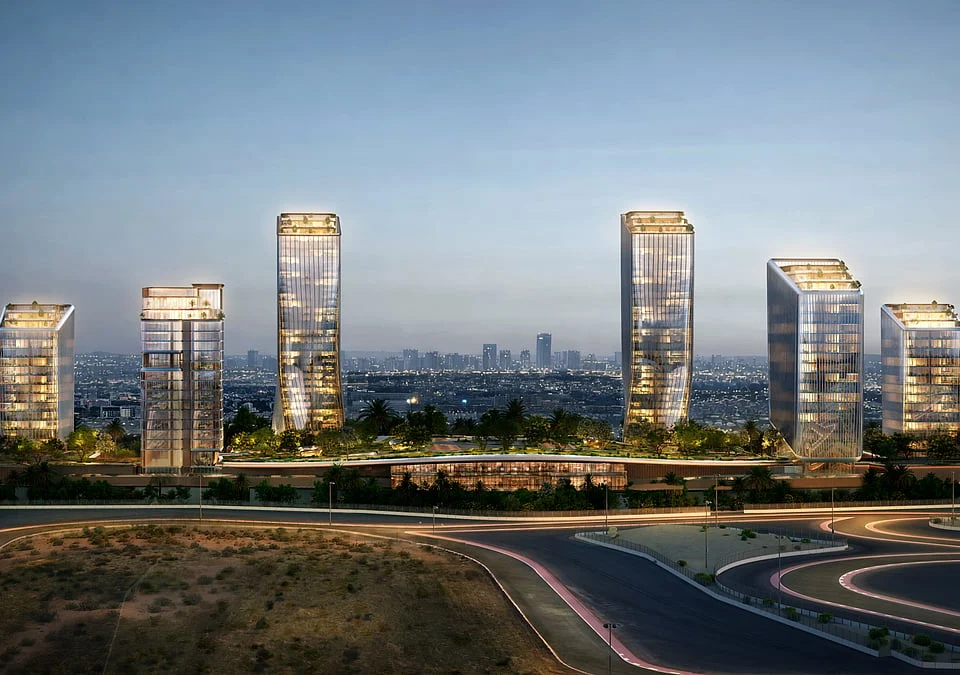
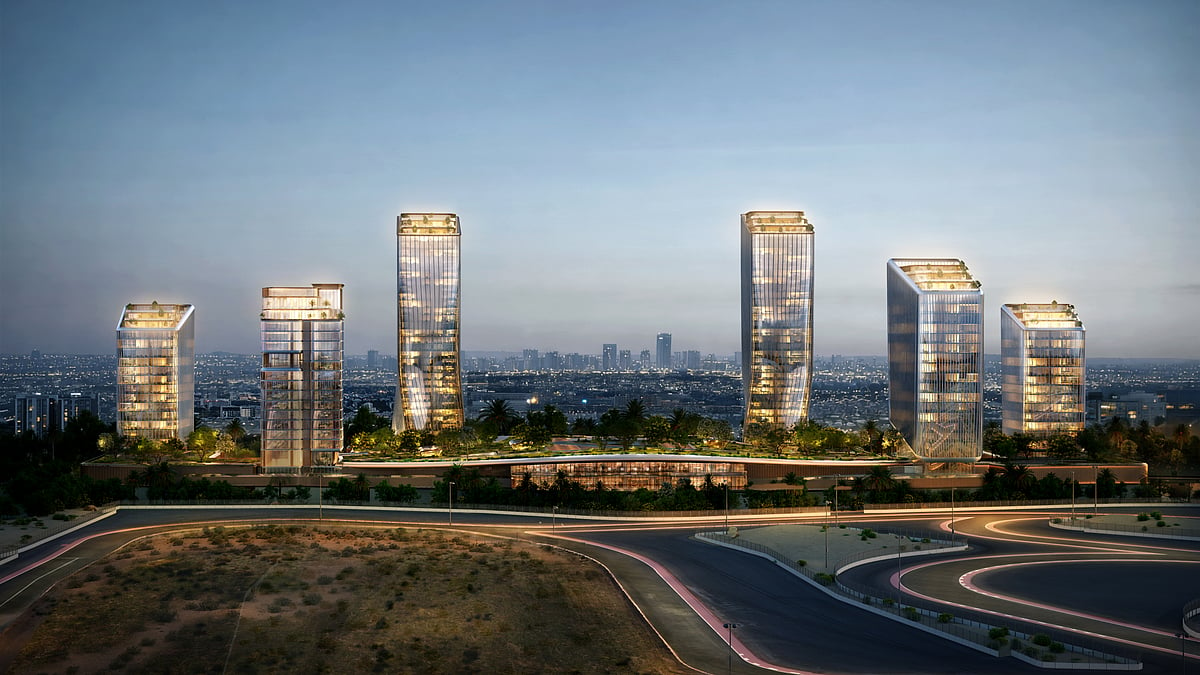
Liwan Najd, the company’s second flagship development, sits on a 151,000 sqm plot in East Riyadh’s Granada district. The project includes more than 2,500 units covering residential apartments, executive villas, hospitality offerings, office towers, commercial hubs and educational facilities. Its total built-up area exceeds 600,000 sqm and its projected sales value reaches SAR4.5bn.
Because of the project’s scale, Liwan used demographic analysis to ensure that every component aligns with the needs of families, young professionals and future residents expected to move into Eastern Riyadh over the next decade.
Designing Homes for Both Saudi and International Residents
Liwan’s extensive global experience heavily influences its approach. For the last 20 years, the company has marketed real estate projects to more than 70 nationalities across the UAE, Egypt and Turkey. Consequently, the team understands the lifestyle expectations of both Saudi and non-Saudi residents.
Aldhyem said that many international buyers prefer smaller, flexible units. To meet this demand, Liwan introduced studios starting at 45 sqm. These spaces appeal to expatriates who require secondary homes, long-stay work accommodation or compact units close to metro stations and business districts.
Meanwhile, Saudi families continue to seek larger living areas. Because of this, Liwan also offers units up to 250 sqm, ensuring a balanced range of options for different income levels and household sizes. The design strategy emerged from an in-depth study of more than 5,000 customers, allowing Liwan to match future projects with evolving market expectations.
Creating Balanced Mixed-Use Environments
Aldhyem highlighted that mixed-use environments succeed only when each component functions independently while contributing to a larger ecosystem. Therefore, Liwan worked with international design firms to ensure privacy, smooth circulation and clear separation between residential, commercial, office and hospitality spaces.
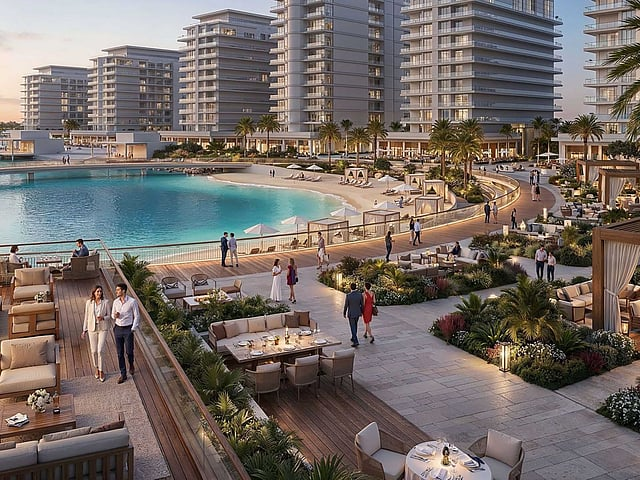
Although each component has its own entrances, exits and parking areas, pedestrian walkways seamlessly connect the entire community. As a result, residents can move safely between homes, offices and shops without traffic conflicts. This approach strengthens sustainability and encourages walkability.
Moreover, Liwan designed the project to operate for more than 18 hours per day. Office workers activate retail spaces during the morning and afternoon. In the evenings, residents and visitors fill cafés, restaurants and open plazas. Consequently, the development remains vibrant throughout the day, making retail spaces more valuable and ensuring long-term economic performance.
Financing, Partnerships and Liwan’s Expanding Investment Portfolio
Liwan’s rapid growth is supported by strong financial and operational partnerships. Aldhyem revealed that the company has secured alliances with all major banks and financial institutions. These partnerships allow Liwan to maintain a portfolio of more than SAR10bn dedicated to real estate development in Riyadh.
Currently, Liwan manages two projects exceeding SAR6bn in combined value. However, the company plans to build 10,000 residential units within the next five years. This expansion relies on a multi-layered financing strategy that includes direct investment from Liwan, bank financing, partnerships with early investors and off-plan sales.
Because the Off-Plan Sales system links payments to construction milestones, buyers gain confidence and reduced risk. Additionally, phased project execution ensures faster completion timelines. Liwan also forms early alliances with top hospitality operators and major retail tenants, strengthening investor trust and boosting long-term revenue potential.
Strengthening Risk Management and Long-Term Value
As global demand for Saudi real estate increases, especially for metro-linked and mixed-use communities, Liwan is enhancing its risk-management practices. Aldhyem said that the company relies on four pillars—financing diversity, off-plan sales, strategic alliances and phased construction—to ensure resilience during market fluctuations.
Because future residents expect reliability, Liwan’s focus on quality, speed and transparency reduces uncertainty and accelerates buying decisions. Moreover, pre-leasing agreements with hospitality brands and retail tenants create immediate value for investors seeking predictable returns.
A Future Built Around Vision 2030 and Urban Quality of Life
Aldhyem concluded that Liwan is committed to building communities that reflect the aspirations of Vision 2030. The company’s developments combine lifestyle convenience, sustainable design, economic diversity and global best practices. As Riyadh grows into a world-leading capital, Liwan aims to deliver destinations that support long-term livability, attract international investment and meet the needs of generations to come.