

Fintech Innovations in Digital Payments & Security
November 19, 2025
Liwan Real Estate CEO Outlines Vision for Riyadh’s Next-Generation Mixed-Use Destinations
December 3, 2025
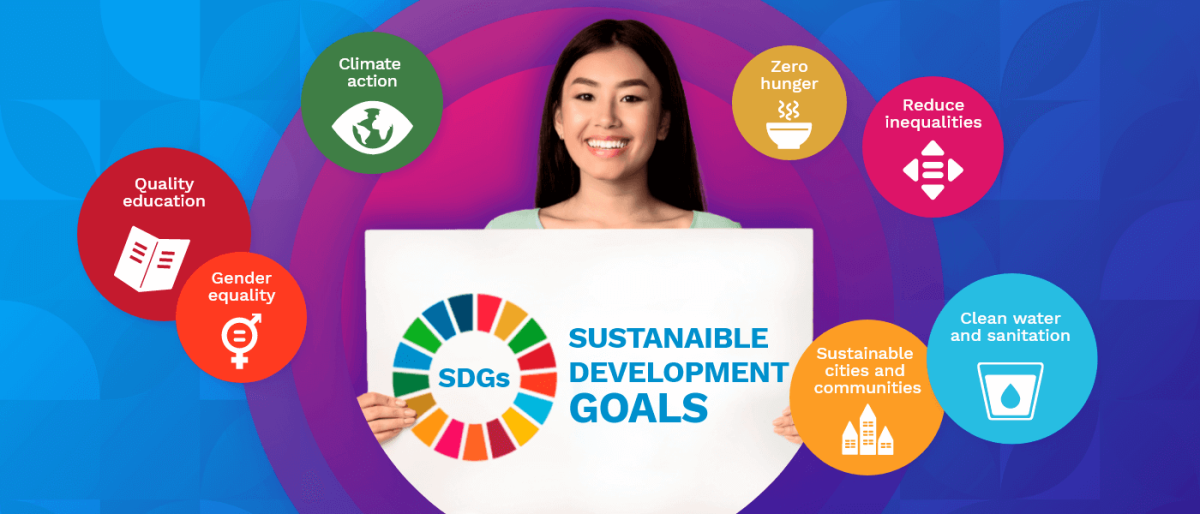
Sustainability has evolved from a corporate buzzword into a core business imperative. Companies across industries are under growing pressure from regulators, investors, customers, and employees to demonstrate responsible environmental, social, and governance practices. The most effective way to achieve this is by developing strong internal sustainability policies that align with long-term business goals while supporting global climate and social priorities.
A well-designed sustainability policy does more than outline a company’s environmental commitments. It embeds responsible practices into everyday operations, guides strategic decisions, and strengthens the organisation’s reputation in a competitive marketplace. Corporate leaders who build robust sustainability frameworks position their organisations for resilience, efficiency, and long-term value creation.
Understanding the Purpose of a Sustainability Policy
Before drafting any policy, companies must establish why sustainability matters to their organisation. The policy should define the organisation’s values, the role sustainability plays in driving growth, and the stakeholders it aims to protect. Clear purpose statements help unify leadership and employees, ensuring everyone understands the direction and importance of the policy.
For most corporates, sustainability policies aim to reduce environmental impact, enhance social responsibility, integrate ethical governance, and manage risk proactively. Clarifying these pillars creates a foundation for effective long-term planning.
Conducting a Comprehensive Sustainability Assessment
A strong policy begins with a clear picture of the company’s current sustainability performance. An internal sustainability audit helps identify strengths, weaknesses, and compliance gaps. This audit typically includes an analysis of energy use, waste management, resource consumption, supply chain practices, labour conditions, governance systems, and community engagement.
Companies can benchmark themselves against global frameworks such as the UN Sustainable Development Goals (SDGs), ISO 14001, GRI Standards, and Science-Based Targets initiatives. This ensures the policy aligns with international best practices and stakeholder expectations.
Setting Clear, Measurable Sustainability Goals
An effective sustainability policy must include goals that are specific, measurable, achievable, relevant, and time-bound. These goals may include reducing carbon emissions, improving energy efficiency, eliminating single-use plastics, enhancing worker safety standards, promoting diversity and equality, or increasing transparency in procurement.
Measurable goals help keep the organisation accountable and enable leadership to track progress year after year. Targets that are too vague or broad can stall progress, while well-defined commitments empower teams to take meaningful action.
Building Internal Structures to Support Implementation
Policies are ineffective without the right governance structure. Corporates should create internal sustainability committees, appoint sustainability officers, and establish cross-departmental task forces to embed sustainability across the organisation.
These roles help coordinate sustainability efforts, monitor progress, enforce compliance, and communicate results to stakeholders. Ensuring that senior leadership is visibly involved strengthens the policy’s credibility and encourages organisation-wide participation.
Integrating Sustainability Into Daily Business Operations
Sustainability should not function as a separate corporate project—it must be integrated into daily operations. This includes procurement practices, supply chain management, facility operations, HR policies, product development, and financial decisions.
Practical examples include adopting renewable energy, switching to energy-efficient systems, using sustainable materials, providing employee training, and creating environmentally conscious product lines. Each department should understand its role in contributing to the organisation’s sustainability goals.
Engaging Employees and Encouraging Cultural Change
Internal sustainability policies succeed only when employees embrace them. Corporates must invest in training, awareness campaigns, and culture-building initiatives that encourage staff to participate in sustainability efforts. Employee-driven green committees, suggestion platforms, and reward programs can further energise involvement.
A sustainable organisation is one where people feel responsible for their environmental and social impact. Building this culture requires long-term commitment and continuous communication.
Ensuring Transparency and Reporting
Regular monitoring and transparent reporting are essential for policy credibility. Companies should document progress through annual sustainability reports or integrated ESG disclosures. Reporting frameworks such as GRI, TCFD, and ESG dashboards help communicate performance to investors, regulators, and the public.
Transparency not only builds trust but also provides data to inform future decisions and refine sustainability goals.
Reviewing and Updating the Policy
Sustainability is dynamic—new technologies, regulations, and societal demands continue to emerge. Corporates must review their policies regularly to ensure they remain relevant and effective. Annual evaluations help companies adjust strategies, improve targets, and address new environmental or social challenges.
A living sustainability policy adapts and grows with the organisation’s vision and external developments.
Why Strong Sustainability Policies Matter
Developing internal sustainability policies gives corporates a competitive advantage. Companies with strong sustainability frameworks reduce costs, attract top talent, comply with regulations, strengthen investor confidence, and build long-term brand loyalty. At the same time, they contribute to a more resilient global economy and a healthier environment.
Organisations that ignore sustainability risk falling behind in an era where ethical and responsible business practices are increasingly non-negotiable. A thoughtful, comprehensive sustainability policy not only protects the planet—it protects the future of the business itself.