Inside Dubai’s Smartest Real Estate Projects: AI, Sustainability & ROI
July 19, 2025
PR Roundup: AI Models, USPS x Pantone, and AE Silence
August 1, 2025
Layering Mixed Materials Elevates Interior Spaces
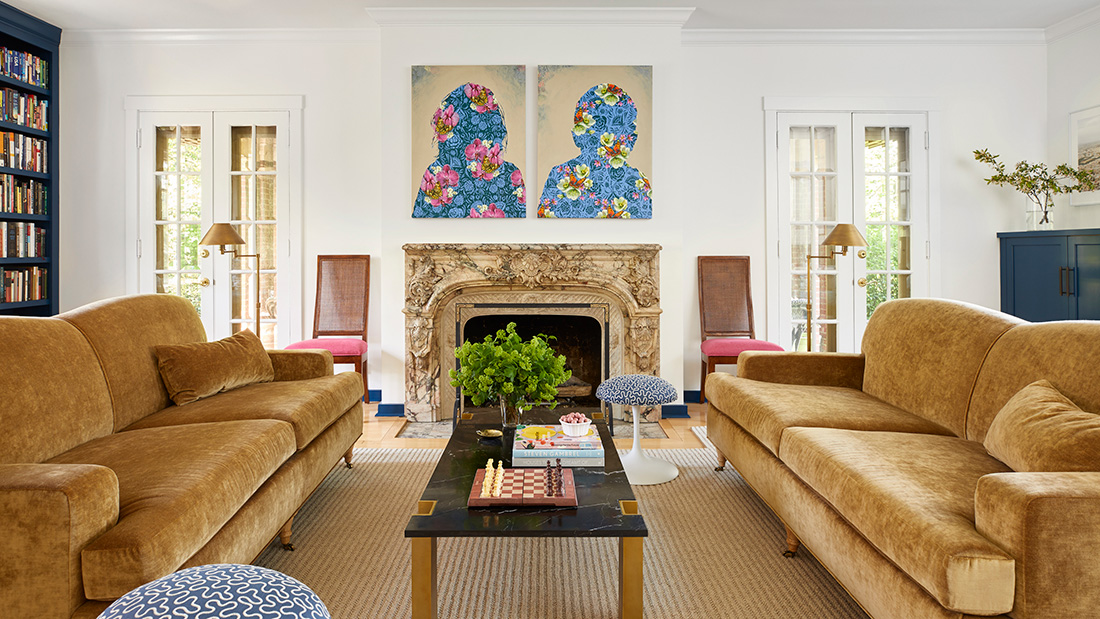
Layering mixed materials is one of the most impactful techniques in interior design to create depth, personality, and emotional appeal. Professional designers know that thoughtful combinations of texture and tone transform bland rooms into rich, expressive environments.
According to Pittsburgh-based designer Colleen Simonds, contrasts like matte versus shiny or textured versus smooth are key to evoking feeling. “You need those elements in order to feel something when you walk into a room,” she explains. “This is what makes a room feel alive.”
Breaking the One-Note Mold
A common mistake in decorating is sticking to a single style or surface. When a room relies too heavily on one material type—like ultra-modern glass or rustic wood—it may feel flat or overly staged.
Simonds warns that this creates “one-dimensional, uninspired” spaces. Interior stylist Sarah Storms adds that blending clean lines with industrial elements or antiques prevents a room from becoming a theme park. A good mix offers a balanced, curated feel rather than a rigid aesthetic.
Texture: The Secret to Depth
Incorporating a variety of textures is essential. Designer Caroline Kopp says, “Every interesting room is going to have some stone, wood, glass, metal, leather and fabric.” A textured wool rug, a brass light fixture, and lacquered surfaces can all coexist beautifully in a cohesive space.
These tactile differences invite emotion and encourage interaction. Whether it’s a smooth marble counter next to a rough concrete wall or a velvet chair beside a steel-framed window, the contrast adds life.
Read Also
8 Key Tips for Buying a Home in 2025
Dubai Off-Plan Properties: Trends and Investment Guide
Unifying Through Repetition and Color
Storms recommends repeating each finish at least three times to avoid visual imbalance. For example, a copper sink can be echoed by small copper decor or even metallic threads in upholstery. “This makes the mix feel intentional, not accidental,” she says.
Color can also tie together disparate materials. Tonal palettes—such as pairing saddle-colored leather with warm metals—help create flow. Adding a strong anchor color, like black, can ground a room filled with bold prints and layered surfaces.
Soft vs. Hard, Warm vs. Cold
Balancing soft and hard, warm and cool finishes builds harmony. Kopp explains that reflective surfaces feel airy and cold, while fabrics like velvet absorb light and add warmth. Combining both ensures the room feels multidimensional and emotionally rich.
Layering should always be purposeful. Too many glossy elements can feel sterile; too many matte pieces may feel heavy. Use both for contrast, but aim for visual rhythm.
Going Bold With Unique Materials
To add even more personality, try unusual materials as feature elements. Think mosaic-tiled ceilings, patterned wallpaper on unexpected surfaces, or a dramatic stone wall. Kopp emphasizes that these standout materials “function as art” and set the tone for the space.
Storms suggests imagining an invisible thread running through the room—like a jacquard fabric on antique dining chairs that bridges old and new styles. These thoughtful combinations tell a deeper design story.
Classic Design Wisdom Still Applies
Even in a modern setting, it’s important to add something aged or vintage. Simonds notes that without at least one old item, a room can feel like it came straight from a furniture catalog.
Storms echoes this sentiment: “Mixing materials, when done well, brings a more luxe, curated sensibility to the home.” Blending polished with raw, soft with hard, old with new—this is the art of layering.