

Getting Started with IP Protection Made Simple
June 19, 2025
How to Market a Consulting Service Online Effectively
June 19, 2025
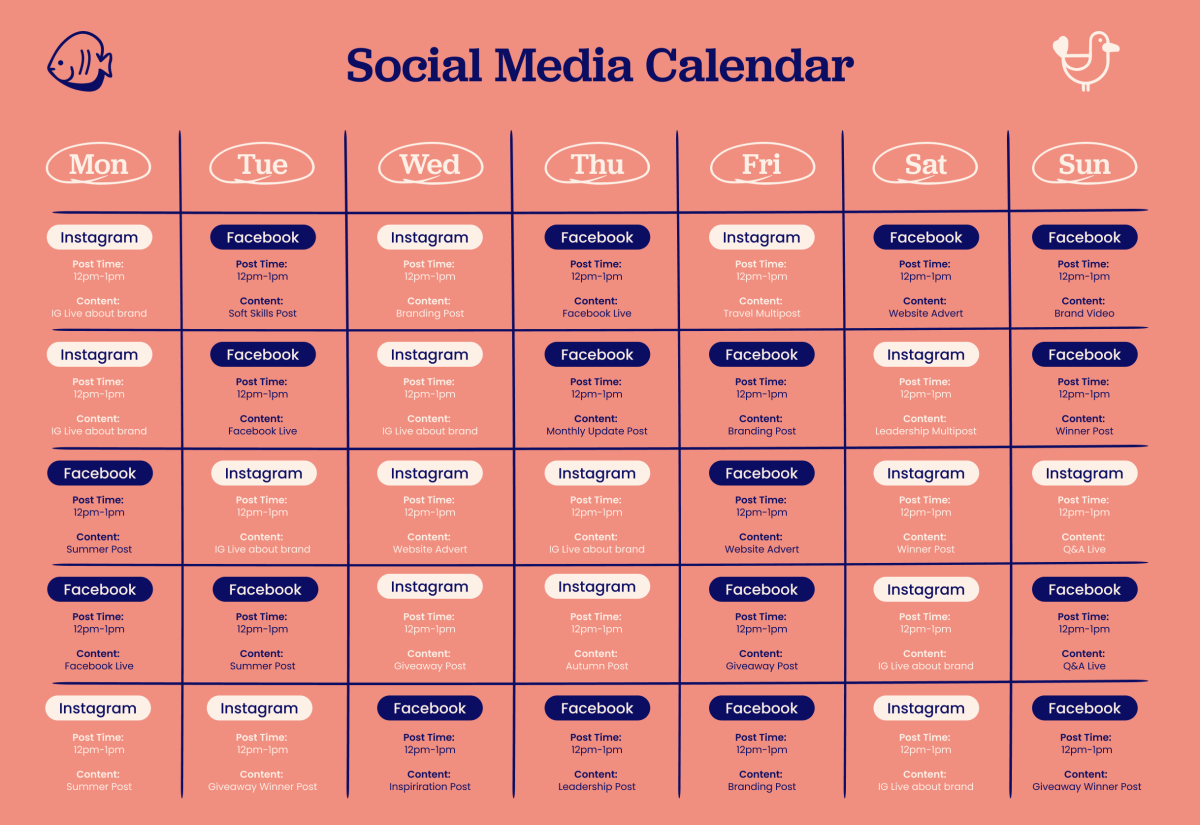
In public relations, timing is everything. A well-structured PR calendar helps you plan your messaging, align with media cycles, and ensure you’re consistently visible across the year. Instead of scrambling for last-minute pitches, you can anticipate opportunities, track campaigns, and stay top-of-mind with journalists and your audience.
Whether you’re an entrepreneur, publicist, or brand manager, building a PR calendar that works allows you to streamline outreach, coordinate with product launches, and build a sustainable presence. It transforms PR from a reactive tactic into a proactive strategy—one that drives long-term influence and recognition.
1. Define Your Communication Goals
Before creating a PR calendar, clarify what you want to achieve. Are you looking to raise awareness, drive traffic, support a product launch, or position a spokesperson? Your objectives will determine how frequently you pitch and what type of media outlets you prioritize.
2. Identify Key Media Dates and Industry Events
Map out major holidays, awareness days, award seasons, product launches, and industry events that are relevant to your brand. Journalists often prepare stories weeks or months in advance, so include lead times. Use these key dates as anchors for your PR themes and campaigns.
3. Plan Content Themes by Month or Quarter
Break your year into themes or focus areas. For example:
- January: New Year tips, industry predictions
- April: Financial literacy, tax season stories
- June: Pride Month, summer trends
- October: Thought leadership, year-end reflections
This structure gives your pitches relevance and increases their chance of being picked up by the media.
4. Schedule Regular Pitching and Follow-Ups
Set weekly or biweekly slots to send out press releases, story pitches, or media updates. Keep a follow-up schedule, so no pitch goes cold. Tools like Google Calendar, Trello, Notion, or specialized PR tools like Muck Rack and Prezly help manage these timelines efficiently.
5. Include Internal and Partner Milestones
Don’t forget internal events like new hires, anniversaries, or CSR initiatives. Add collaborations, podcast appearances, and speaking engagements to your calendar. These events can all generate media opportunities and deepen your brand story.
6. Monitor, Measure, and Adjust
Use your PR calendar as a living document. Track which campaigns get coverage, what feedback you receive from journalists, and where your visibility spikes. Adjust your strategy quarterly based on outcomes to ensure your calendar remains effective and relevant.
7. Make Room for Newsjacking and Crisis Comms
Leave space for spontaneous opportunities like trending topics or breaking news. A flexible PR calendar allows you to respond quickly and insert your brand into relevant conversations. Also, build in contingency plans for crisis communication, so you’re prepared when it matters most.
Final Thoughts
Creating a strategic PR calendar turns chaos into clarity. It allows you to stay consistent, maximize media coverage, and align your message with moments that matter. With a solid calendar in place, your PR efforts become more focused, measurable, and ultimately, more impactful.