
How to Become a Best-Selling Author
June 18, 2025
How to Protect Content as an Author
June 18, 2025
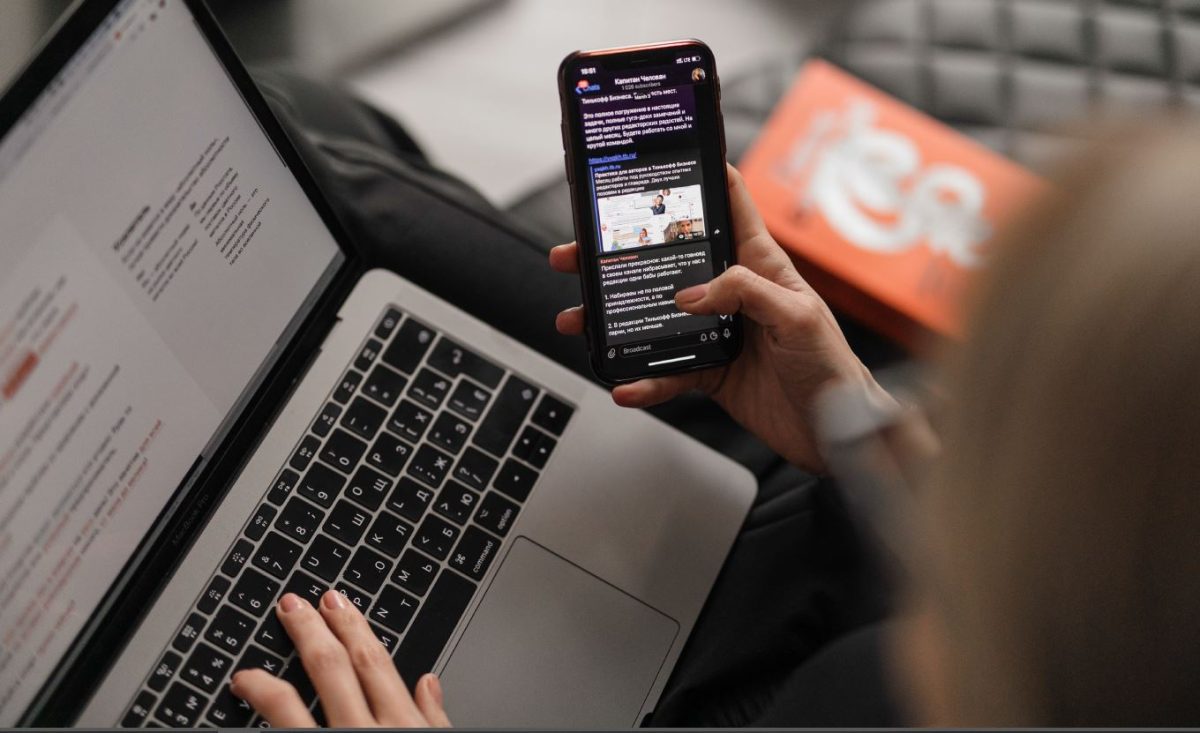
Whether you’re an elected official, celebrity, activist, entrepreneur, or thought leader, your ability to manage public perception is crucial. With 24/7 news cycles and social media amplifying every word and gesture, mastering media relations tips for public figures has never been more essential.
Effective media relations can protect your reputation, amplify your message, and turn interviews into influence. This guide offers practical tips to help public figures communicate with clarity, confidence, and control—before, during, and after the spotlight hits.
1. Know Your Core Message
Before engaging with the media, define what you want to be known for. Your core message should:
- Align with your values and goals
- Be clear, memorable, and repeatable
- Fit within the current media narrative without sounding reactive
Stay consistent across interviews, social media, speeches, and press releases. Repetition builds recognition.
2. Prepare for Interviews Like a Pro
Don’t go into an interview unprepared. Anticipate common questions and rehearse your key points. Use the bridging technique to redirect tricky questions back to your message:
“That’s a good point, but what’s most important is…”
“While that’s one perspective, here’s what really matters…”
Always research the outlet, journalist, and audience in advance.
3. Build Relationships with Journalists
Good media relations are built on mutual respect and trust. Instead of treating journalists like tools, treat them like collaborators. Build rapport by:
- Offering exclusive insights
- Responding promptly and professionally
- Avoiding off-the-record traps unless explicitly agreed
- Crediting them when reposting or referencing their work
Strong relationships can earn you positive coverage and fair representation.
4. Stay Calm Under Pressure
Public figures are often asked tough or emotional questions. Keep your composure by:
- Taking a deep breath before responding
- Pausing instead of rushing an answer
- Staying polite, even if challenged
Losing your temper or appearing evasive can do long-term damage to your public image.
5. Use Social Media Responsibly
Your online presence is an extension of your media persona. Avoid posting:
- Unverified claims
- Personal rants or reactions
- Content that contradicts your public stance
Use your platforms to reinforce media messages, share press features, and maintain transparency with your audience.
6. Own the Narrative in a Crisis
Crises attract media attention—how you respond defines your brand. In such moments:
- Respond quickly with facts
- Acknowledge issues without assigning blame
- Show empathy and outline next steps
- Avoid “no comment” unless legally necessary
Having a pre-written crisis communication plan can save you time and reputation.
7. Train with a Media Coach
Media training isn’t just for beginners. Even experienced public figures benefit from:
- Practicing body language and voice tone
- Simulating hostile interviews
- Refining their message delivery
- Learning how to speak in soundbites
Professional media coaching helps you speak with authority, no matter the situation.
8. Monitor and Measure Media Coverage
Track your press mentions and public perception through:
- Google Alerts and media monitoring tools
- Social listening platforms
- Sentiment analysis and reach metrics
This allows you to adjust strategy and understand how your audience is responding.
Conclusion
Mastering media relations tips for public figures is about more than managing press—it’s about leading the conversation. With clarity, preparation, and composure, public figures can use the media as a powerful ally in shaping public opinion, building trust, and sustaining influence. In today’s media-driven world, being ready isn’t optional—it’s expected.