

Branding Mistakes to Avoid as a Consultant
June 18, 2025
Real Estate Influencers to Follow Today
June 18, 2025
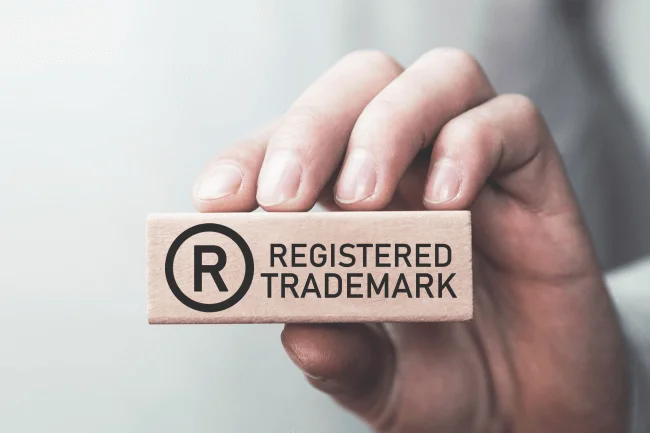
With Australia’s digital economy booming, protecting your intellectual property (IP) has never been more important. From graphic designers and videographers to content creators and influencers, your creations—whether visual, written, or coded—are your livelihood. That’s why understanding the core IP tips for digital creators in Australia is crucial for anyone producing original content online.
This guide offers practical strategies to help Australian digital creators navigate copyright, trademarks, contracts, and content licensing. Don’t let others profit from your hard work—learn how to defend your creative assets and build a sustainable digital brand.
1. Understand Copyright Basics
In Australia, copyright protection is automatic the moment you create an original work. This includes:
- Videos
- Artwork and designs
- Photographs
- Podcasts
- Blog posts
- Music and sound recordings
You don’t need to register your copyright, but you should add a copyright notice (e.g., “© 2025 Your Name”) on all your digital content to reinforce your rights.
2. Know What You Own (and Don’t)
If you’re freelancing or working under contract, your client may own the final product—unless your agreement says otherwise.
Tip: Always review contracts and include a clear IP clause. Retain moral rights (credit for your work) even if the client owns the content.
3. Register Your Trademark
Your brand name, logo, or tagline may not be protected under copyright. To prevent others from using your brand identity, register it with IP Australia as a trademark. This protects your:
- Brand name
- Logo
- Online course titles
- Digital product names
Start at: www.ipaustralia.gov.au
4. Use Licensing Agreements
When collaborating or sharing your content:
- Define how it can be used (personal vs. commercial)
- Specify duration and territory
- Decide whether it’s exclusive or non-exclusive
Tip: Tools like Creative Commons can help—but always customize terms when working with clients or brands.
5. Watermark and Metadata Your Work
Add watermarks to visuals and include metadata in digital files (EXIF/IPTC fields in images) with your name, copyright year, and contact details. This helps assert ownership if your content is stolen or misused.
6. Monitor Infringement
Use Google Alerts or reverse image tools (like TinEye or Google Image Search) to detect unauthorized use. If your work is stolen:
- Send a takedown notice to the platform or website owner
- Use Australia’s copyright complaints process or contact a lawyer
7. Understand Fair Dealing in Australia
Australia’s Fair Dealing exceptions are narrower than U.S. Fair Use laws. You can only reuse copyrighted work without permission for:
- Research or study
- Criticism or review
- News reporting
- Legal advice
- Parody or satire
Even then, attribution is required. Be careful when remixing or sampling.
8. Keep Contracts for Collaborations
Whether you’re co-creating a YouTube series or working with a brand, always:
- Define ownership of the final product
- Outline IP rights and credit
- Include clauses on revenue sharing and future use
A simple written agreement can prevent future disputes.
Conclusion
These IP tips for digital creators in Australia can help you protect your creative work, build a trustworthy brand, and avoid legal headaches. As the digital space becomes more competitive, safeguarding your intellectual property is just as important as creating great content.