

How to Network as a Public Figure Effectively
June 18, 2025
Crafting a Winning Real Estate Strategy in 2025
June 18, 2025
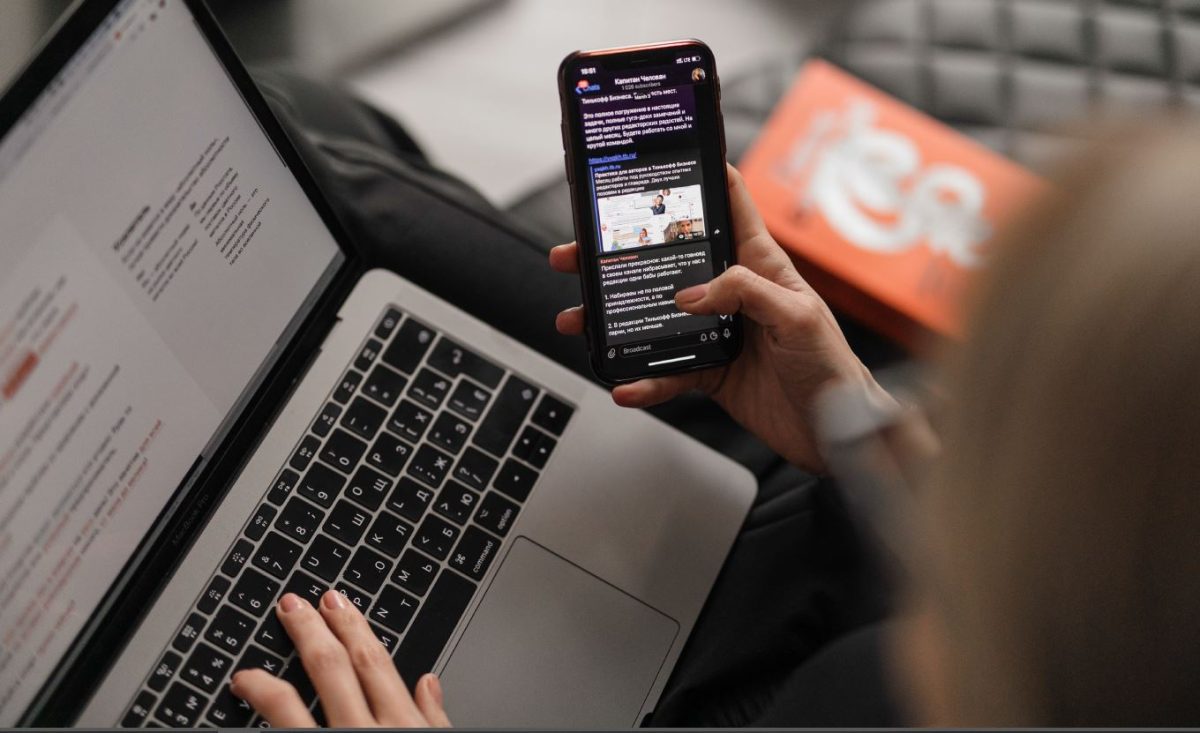
Pitching to journalists is one of the most powerful ways to get your story, brand, or message featured in the media. Whether you’re promoting a book, launching a startup, or sharing expert insights, the right pitch can lead to press coverage that boosts credibility and expands your reach. But with overflowing inboxes and tight deadlines, journalists won’t respond unless your pitch is clear, concise, and relevant.
In this step-by-step guide, you’ll learn exactly how to pitch to journalists effectively—from researching contacts and crafting a newsworthy hook to following up professionally. With the right approach, your story won’t get buried—it’ll get published.
Step 1: Research the Right Journalists
Before you even draft your pitch, identify the journalists who are most likely to cover your story. Look for:
- Writers who have covered similar topics recently
- Journalists at outlets your audience trusts
- Reporters with a beat aligned to your niche (e.g., tech, health, lifestyle)
Use tools like Muck Rack, Twitter, or the publication’s bylines to find and verify journalist contact info.
Step 2: Create a Newsworthy Angle
Journalists need stories that are:
- Timely (connected to a current event, trend, or launch)
- Relevant (valuable to their audience)
- Unique (different from what’s already been covered)
- Impactful (solving a problem or sparking interest)
Ask yourself: “Why would this matter to their readers right now?”
Step 3: Write a Clear, Compelling Subject Line
Your subject line determines whether your email gets opened. Keep it:
- Short (under 10 words if possible)
- Specific (“Study: 1 in 3 Teens Now Use AI Tools in Class”)
- Non-clickbait (don’t overpromise or sound promotional)
Personalized subject lines also perform better than generic ones.
Step 4: Craft a Brief and Relevant Pitch Email
In 150–200 words, include:
- A personal greeting using the journalist’s name
- A one-sentence hook that summarizes the story
- A paragraph with relevant details or context
- A line about why it’s a good fit for their readers
- A clear CTA (e.g., “Would you be interested in an interview or exclusive access?”)
Use bullet points if sharing multiple facts or story angles.
Step 5: Attach or Link Supporting Materials
Make their job easy by providing:
- A press release (as an attachment or Google Doc)
- Images (low-res preview, high-res on request)
- Your contact details and website
- A link to your media kit or background info
Avoid large attachments that clog inboxes.
Step 6: Follow Up Respectfully
Wait 3–5 business days before sending a follow-up. Keep it short:
“Hi [Name], just checking if you had a chance to review the story idea I sent earlier this week. Let me know if I can provide any more info!”
Limit to one or two follow-ups max unless they’ve engaged.
Step 7: Build Long-Term Relationships
Don’t treat journalists as one-time gatekeepers. Engage with them on social media, comment on their stories, and send occasional updates—even when you’re not pitching. Building genuine relationships pays off long term.
Conclusion
Pitching to journalists is both an art and a process. When done right, it opens doors to media coverage that can transform your personal brand or business. By understanding what journalists need and delivering it with clarity and respect, you stand out in their crowded inbox—and increase your chances of getting published.
More ideas about how to get noticed by the media
- Marcus Strom and Peter Munro have been the target of hundreds of pitches over their respective media careers, including as former Fairfax journalists who regularly covered science stories. Read their insights on how to effectively pitch stories to journalists in a changing media landscape here
- See too tips from Kirsten Barnes on using social media
- The National Science Week Event Holder’s Guide (560 kB, pdf) sets out all of the steps in staging a public event for Science Week, including planning, event objectives, budgeting, venue considerations, insurance, promotion and media, as well as post event cleanup and evaluation.