

Tools to Simplify Your PR Workflow
June 14, 2025
Marketing for Real Estate Thought Leaders
June 14, 2025
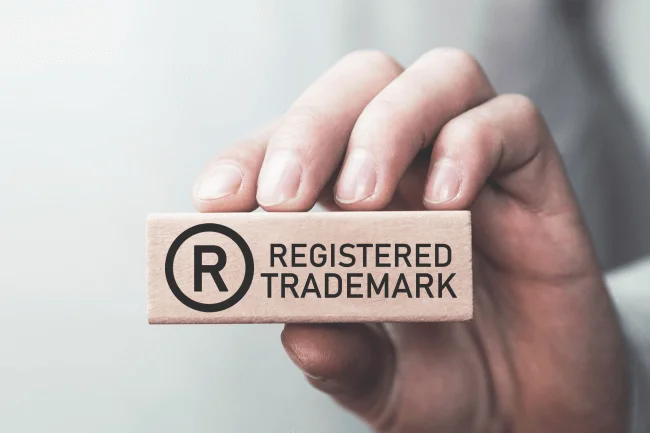
Have you come up with a catchy brand name, unique slogan, or striking logo? If so, it’s time to protect it. Knowing how to trademark a creative idea ensures your originality isn’t copied, stolen, or misused—especially in today’s competitive market. While you can’t trademark just any idea, you can protect its expression if it serves as a brand identifier.
This guide breaks down what you can trademark, how to apply, and why early protection is essential for creators, entrepreneurs, and startups.
What Can Be Trademarked?
You can’t trademark abstract ideas or concepts. However, you can trademark:
- Brand names
- Logos and symbols
- Slogans or taglines
- Product packaging (trade dress)
- Distinctive sounds, colors, or shapes (if tied to a brand)
These elements must be distinctive, used in commerce, and capable of identifying the source of a product or service.
Step-by-Step: How to Trademark a Creative Idea
1. Conduct a Trademark Search
Before applying, search local and international databases (e.g., KIPI in Kenya, USPTO in the U.S.) to check if your idea is already in use. This prevents legal issues and application rejection.
2. Clarify Usage and Class
Determine which goods or services your creative idea relates to. Trademarks are registered by class (e.g., clothing, software, media). The clearer your category, the better your protection.
3. Prepare Your Application
Include:
- The name/logo/slogan you’re trademarking
- The class of goods/services
- A clear representation of the mark
- Proof of current or intended use in business
4. Submit to the Appropriate Authority
Apply through your country’s intellectual property office. For Kenya, it’s the Kenya Industrial Property Institute (KIPI). In the U.S., use the United States Patent and Trademark Office (USPTO). Most offices allow online submissions.
5. Respond to Queries or Objections
After submission, your application may be reviewed for compliance. Be ready to clarify or amend any part if requested.
6. Publish for Opposition
Your trademark will be published in an official gazette to allow others to oppose it. If no objections arise within the legal timeframe, the registration proceeds.
7. Receive Certificate and Monitor Usage
Once approved, you’ll get a registration certificate. Use the ® symbol to indicate your mark is registered. Monitor the market and take legal action if someone infringes your trademark.
Why Trademarking Matters
- Protects your brand identity
- Prevents imitation or misuse
- Increases business value and credibility
- Enables legal action in case of infringement
Final Thoughts
Understanding how to trademark a creative idea gives you legal power over your intellectual assets. While you can’t trademark raw ideas, you can protect the unique ways your ideas are expressed—like your brand name, logo, or slogan. By taking action early, you safeguard your creativity and lay a solid foundation for future growth.