
Guide to Protecting Your Intellectual Property
June 8, 2025
Top Mistakes to Avoid in Digital Branding Strategy
June 8, 2025
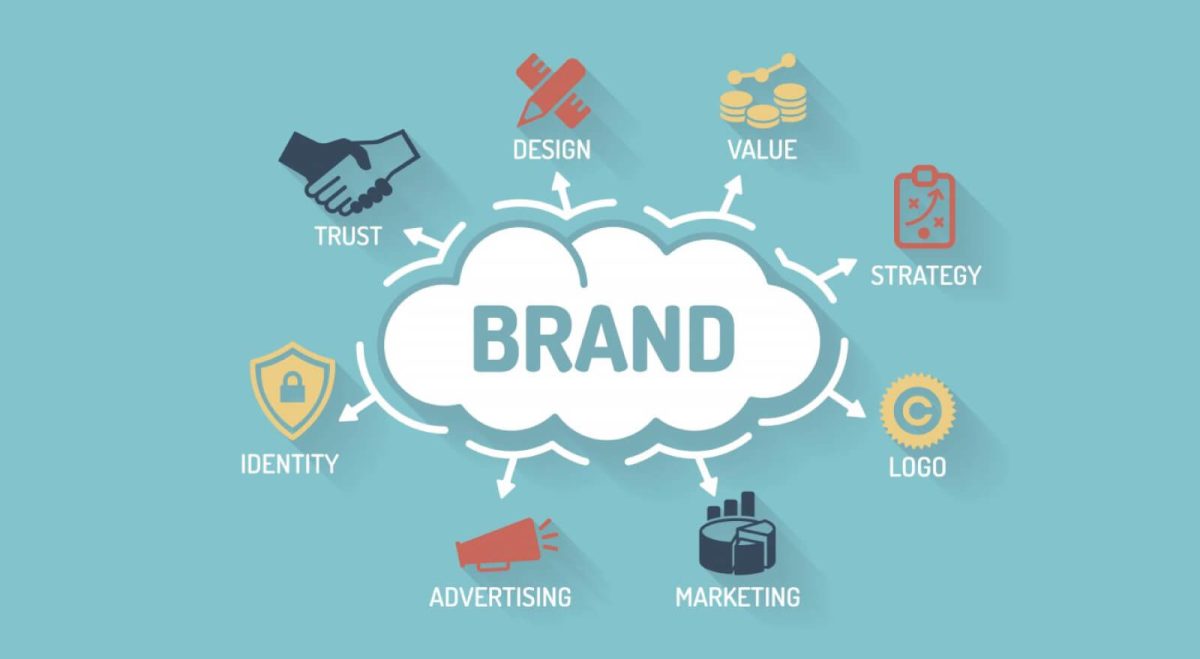
In today’s oversaturated marketplace, crafting a strong brand identity is one of the most valuable assets a business can have. It goes far beyond a logo or a catchy slogan—it’s the complete perception customers form about your business, including how you sound, look, and behave across every touchpoint. A strong identity builds recognition, trust, and emotional connection, leading to customer loyalty and long-term success.
Whether you’re launching a startup or rebranding an existing business, the process of building a brand identity should be intentional, strategic, and rooted in clarity. This guide walks you through the essential steps to shape a brand that is distinctive, credible, and aligned with your mission.
What Makes a Strong Brand Identity?
A strong brand identity is consistent, recognizable, and emotionally resonant. It communicates your business values, personality, and promise at every level—from visuals and messaging to customer experience. When done right, it creates a memorable impression and fosters meaningful relationships with your target audience.
Steps to Craft a Strong Brand Identity
1. Define Your Brand Purpose and Vision
Begin with the “why” behind your business. What problem are you solving? What values drive you? A clear purpose provides direction and ensures consistency across all branding decisions.
2. Know Your Target Audience
Understanding your ideal customer is crucial. Create detailed buyer personas that include demographics, pain points, aspirations, and buying behavior. Your brand identity should speak directly to their needs.
3. Research Your Competitors
Study how others in your space position themselves. What are their strengths and gaps? Your goal isn’t to copy—but to stand out by identifying what makes your brand unique.
4. Develop Your Brand Voice and Personality
Your brand voice reflects how you communicate. Is it formal or friendly? Bold or empathetic? Align your tone with your audience and remain consistent across all channels.
5. Design a Distinct Visual Identity
This includes your logo, color palette, typography, and design elements. These visuals should align with your brand’s personality and appeal to your audience while being easily recognizable.
6. Create a Memorable Brand Name and Tagline
Choose a name that is easy to remember, pronounce, and spell. A strong tagline should quickly communicate your brand’s value or positioning in a compelling way.
7. Develop Brand Guidelines
Consistency builds trust. Document your visual standards, messaging tone, and usage rules in a brand style guide to ensure uniformity across all touchpoints—online and offline.
8. Apply Across All Channels
Your website, packaging, signage, email campaigns, and social media must all reflect your brand identity. Consistency reinforces recognition and reliability in your audience’s mind.
Final Thoughts: Branding is a Long-Term Strategy
Building a strong brand identity is not a one-time task—it’s a long-term investment in how your business is perceived. By following these structured steps, you lay a solid foundation for brand equity, emotional engagement, and sustainable growth. Whether you’re a solo entrepreneur or scaling a company, strong branding is your silent ambassador—and it speaks volumes before you ever say a word.