

How to Make an Offer on a House in 2026
January 6, 2026
Kampala: Museveni Wins Fair Vote, Extends 40-Year Rule
January 17, 2026
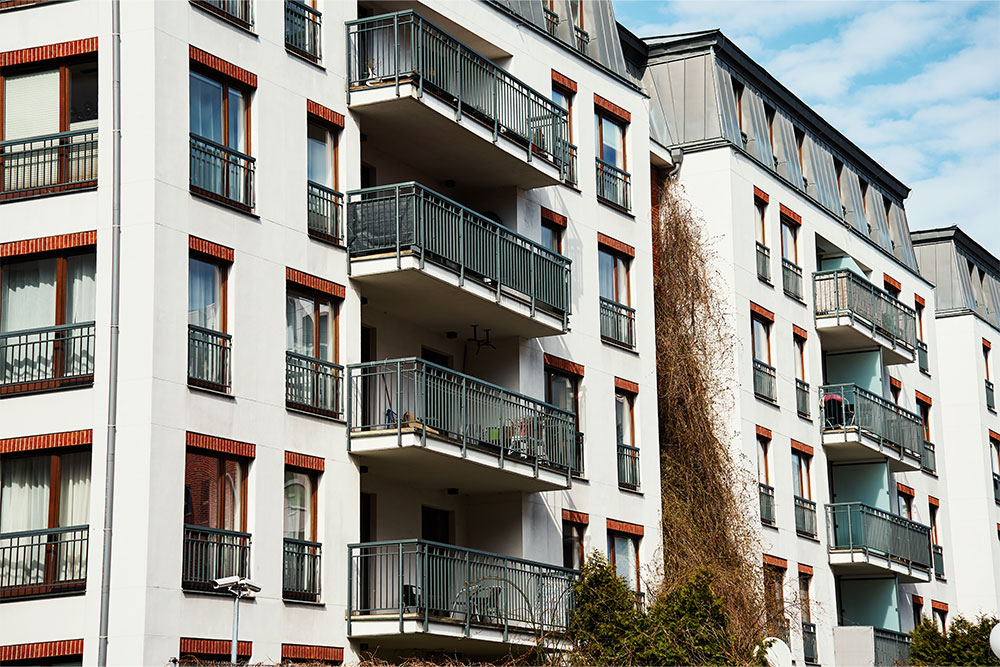
When it comes to insuring your home, it’s important to know the differences between apartment, house, and townhouse insurance. Each type of property has unique insurance needs, and understanding those differences can help you choose the right coverage. This guide will walk you through apartment, house, and townhouse insurance in 2026, ensuring that you are well-prepared to protect your property.
Insurance for Apartments
Apartment insurance typically covers your personal belongings and liability within the unit. Most apartment dwellers share common spaces and the building’s exterior with other residents. For this reason, the building itself, including its roof, walls, and shared areas, is usually covered by the homeowner’s association (HOA) master insurance policy. However, apartment insurance focuses on what’s inside your unit.
Here’s what apartment insurance covers:
- Personal property: Coverage for furniture, electronics, and personal items inside the apartment.
- Liability protection: If someone gets injured inside your apartment, this can cover the medical expenses and legal fees.
- Loss of use: If a disaster makes your apartment uninhabitable, this coverage helps with temporary living expenses.
Apartment insurance doesn’t cover structural damage to the building, but it’s essential for protecting your belongings and covering personal liability.
Insurance for Houses
House insurance is typically more comprehensive, as it covers the entire property, both inside and outside. Unlike apartments, homeowners are responsible for their home’s structure and property. Homeowners insurance provides coverage for everything, from the structure of the house to the personal items inside and any liability claims that may arise.
Here’s what homeowners insurance generally covers:
- Dwelling coverage: Covers damage to the structure of your house from events like fires, storms, or vandalism.
- Personal property: Covers the contents inside your home, such as electronics, furniture, and appliances.
- Liability protection: If someone is injured on your property, this can help cover medical bills and legal fees.
- Additional structures: Covers external structures such as a garage, shed, or fence.
For homeowners, this comprehensive coverage ensures protection for both the property and personal belongings. This type of insurance is crucial for anyone who owns a house and is responsible for maintaining it.
Insurance for Townhouses
Townhouse insurance often falls between apartment insurance and homeowners insurance. As a townhouse owner, you are responsible for the interior of your home and any external areas you own, like a small garden or private patio. However, townhouses are often part of a shared building, and many common areas are jointly owned by multiple residents. This can influence the type of coverage you need.
Here’s what townhouse insurance typically covers:
- Interior coverage: Protects the interior of your townhouse, including walls, floors, and personal property.
- Liability protection: Covers injuries or accidents that happen inside your townhouse or on your property.
- HOA master insurance: Many townhouses have a homeowner’s association (HOA) that covers the building’s exterior and shared spaces. You should review this master policy to ensure it covers everything you need.
While townhouse insurance provides coverage for your personal space, you’ll need to check the HOA’s master policy to ensure it protects shared areas like roofs, walkways, or parking spaces.
Key Differences in Insurance Coverage
While all three types of insurance—apartment, house, and townhouse—offer protection for personal property and liability, the main differences lie in the coverage for the structure of the building and shared areas.
- Apartment insurance: Covers only your unit and its contents. The building’s structure is usually covered by the HOA.
- House insurance: Covers everything, including the structure, personal belongings, and external structures like a shed or garage.
- Townhouse insurance: Covers your unit and personal property, but you must rely on the HOA’s insurance for coverage of shared spaces.
When deciding on apartment, house, or townhouse insurance, it’s important to consider your specific living situation. Apartment insurance is more limited, covering only personal property and liability within your unit. Homeowners insurance provides extensive coverage for both the structure and belongings in a house. Townhouse insurance offers a middle ground, covering the interior of your unit while relying on the HOA’s insurance for shared spaces.
Consulting with an insurance agent can help you find the best coverage for your situation. Make sure to review the details of any HOA master policies for townhouses or apartments to ensure that you aren’t left unprotected. Whether you own an apartment, house, or townhouse, getting the right insurance will give you peace of mind knowing that your home is adequately covered.